Why Copper Develops Pinhole Leaks in Lodi Homes
Copper has long been considered the premier plumbing material for residential construction. However, across Lodi and the broader San Joaquin Valley, many homeowners face an escalating problem: tiny, needle-sized perforations appearing in copper water lines. Specializing in pinhole leak repair Lodi residences require, our technicians understand the unique environmental and chemical conditions driving this pitting corrosion.
Pinhole corrosion is not caused by a simple defect in one section of pipe. Instead, it is an electrochemical reaction between the copper pipe wall and municipal water chemistry. Lodi water supplies carry dissolved minerals, chloramines used for disinfection, and elevated pH levels. Over decades, these elements break down the microscopic copper oxide protective layer inside the pipe, initiating localized electrochemical pitting that eventually eats entirely through the metal.
Key Contributing Factors: Velocity, Hard Water, and Age
Three primary factors accelerate copper pinhole leak Lodi occurrences:
- Hard Water Chemistry: High mineral content causes uneven calcium carbonate deposits inside pipes. Pitting corrosion rapidly develops in microscopic voids beneath these mineral deposits.
- High Flow Velocity: Excessive water pressure (above 65 PSI) or undersized supply tubing creates turbulent flow, especially near 90-degree elbows and tees, physically scouring away the metal wall.
- Pipe Age and Wall Thickness: Many tract subdivisions built in the 1970s and 1980s used thinner Type M copper tubing. After 30 to 50 years of continuous pressurized service, the remaining wall thickness is extremely thin.
Warning Signs of Pinhole Leaks in Walls and Foundations
Because pinhole leaks start as tiny, mist-like sprays, they can persist unnoticed for weeks. Watch for green, powdery crust (verdigris) forming on exposed copper pipes in your garage or water heater closet, faint water staining along drywall or baseboards, musty damp odors in hallways, or persistent low-level sounds of hissing water behind walls.
Repair Options: Spot Repair vs. Section Replacement vs. Repipe
When addressing copper pipe leak repair Lodi challenges, selecting the appropriate engineering remedy depends on the overall health of your plumbing infrastructure:
Direct Spot Repair
Involves cutting out a small 6-inch to 12-inch section containing the pinhole and brazing in a new copper slip coupling. This is suitable only for isolated physical damage in otherwise pristine, heavy-gauge copper systems.
Sectional Line Replacement
Replaces an entire branch run (such as the main feed to a master bathroom) from manifold to fixture using flexible PEX. This eliminates multiple vulnerable fittings and weak sections along that run.
However, when homeowners experience repeat pinhole leaks Lodi plumbers recognize that the entire copper plumbing network is compromised. Attempting repeated spot repairs on brittle, paper-thin copper will simply push hydraulic stress to the next weakest point. In these situations, an overhead pipe reroute or complete whole-house repipe is the only permanent solution.
Dealing With Repeated Copper Leaks?
Stop fixing the same problem every few months. Speak directly with a local Lodi copper repair specialist.
Call (888) 205-7875How to Tell When Pinholes Mean the Whole System Is Failing
Plumbing professionals use specific diagnostic criteria to evaluate system failure:
- Multiple Occurrences: If your home has had two or more pinhole leaks within a 12-month window, the probability of future leaks approaches 90%.
- Widespread Exterior Oxidation: Extensive green crusting or dark discoloration visible across copper pipes in utility rooms and under sinks.
- Thinning Pipe Walls: When cutting a sample section of copper, the pipe wall appears visibly thinned, fragile, or eggshell-like in cross section.
- Pinhole Leaks Under the Slab: When pinhole corrosion occurs beneath concrete foundations, it creates classic slab leak repair in Lodi conditions that threaten foundation stability.
Comprehensive Diagnostic and Repair Capabilities
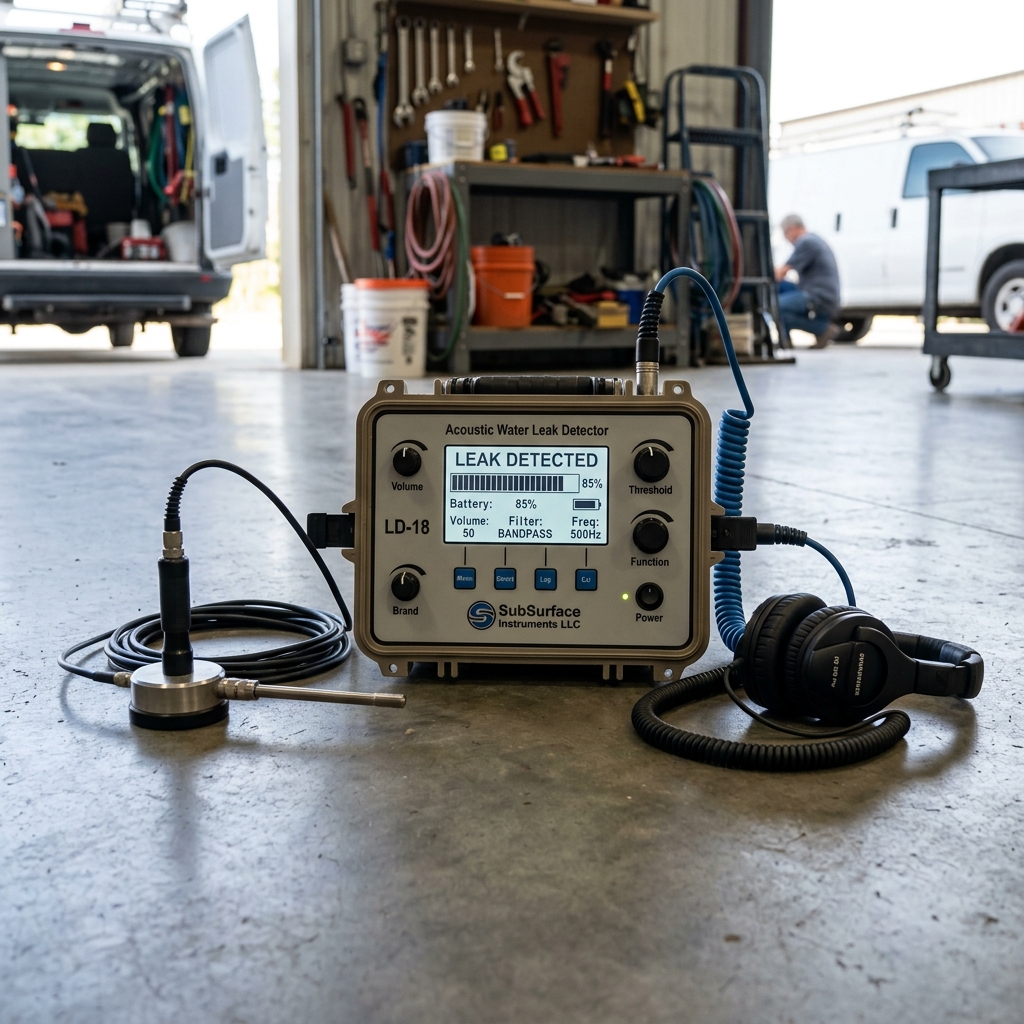
We provide full diagnostic and restoration services for residential plumbing systems. Our technicians utilize non-invasive slab leak detection, general water leak detection, and provide detailed insurance documentation to help you navigate property damage claims.
Serving All Lodi Neighborhoods and Neighboring Communities
We resolve pinhole leak problems across Downtown Lodi, as well as suburban tracts near Lodi Lake, the Mokelumne River corridor, and residential areas along SR-99. We also assist homeowners in nearby communities including Galt and August. Explore our service territory on the Service Areas page.
Frequently Asked Questions About Pinhole Leaks
Can I use a clamp or epoxy to patch a copper pinhole leak?
Temporary pipe clamps or epoxy pastes are only meant for emergency shutoff stabilization while you await a professional plumber. They are not permanent repairs and will eventually fail under normal household water pressure (typically 50 to 70 PSI).
Why are pinhole leaks worse in hot water lines?
Elevated water temperatures accelerate electrochemical reactions. Hot water increases the rate of mineral precipitation and oxidation, causing copper pitting to progress much faster on hot supply and recirculating lines.
Does a water softener prevent copper pinhole leaks?
A standard salt-based water softener removes hardness minerals but does not change water pH or chloramine concentrations. In some cases, improperly calibrated softeners can actually increase water corrosiveness if mineral content drops too low.